
IF IT PASSES, SEN. LISA MURKOWSKI COULD BENEFIT IN 2022
As expected by most political observers, the Alaska Supreme Court upheld a ruling that, if voters approve in November, will take political party power away from Republicans during future primary elections, opening up primary ballots so all voters can vote the Republican ticket.
Currently, the Alaska Republican Party has a partially closed primary — people can vote the Republican ticket if they are not registered with another official party, such as Democrat, Alaska Independence, or Libertarian. Republicans do this so others cannot jump over onto their primary and vote in the weaker candidate. Other parties in Alaska have open primaries.
The ruling favors a radical group funded by Outside money, “Alaskans for Better Elections,” and it means in November, Alaska voters will be given the choice to vote yes or no on this question.
But it won’t be that simple. There are three distinct things that the ballot initiative would change about elections, but most voters won’t get past the first item: “Dark money.”
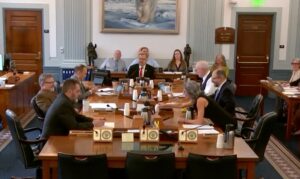
The ballot question, as approved by the Supreme Court, leads with a statement about “dark money” in campaigns, although the term “dark money” is not defined. The proponents likely hope that is enough to get them their real goal, which is to shatter the current election system and put in place a method that gives Democrats a better chance of winning elections, through the other two changes the initiative calls for: “Rank choice voting” and open “jungle primaries.”
Rank choice voting and jungle primaries means Sen. Lisa Murkowski would not face a serious challenge if she runs for office again. Currently, she would find it difficult to win a Republican primary. Scott Kendall, who is backing the Better Elections initiative, is thought to be advancing this ballot question to assist her.
The justices ruled that it’s up to the people to decide how voting will be done, and they agreed with the lower court’s ruling that people can change their election system and that the ballot language as presented is acceptable.