
Senate Honors Coal’s Legacy with ‘Coal Week’ Resolution, Boosting Alaska’s Energy Frontier

19
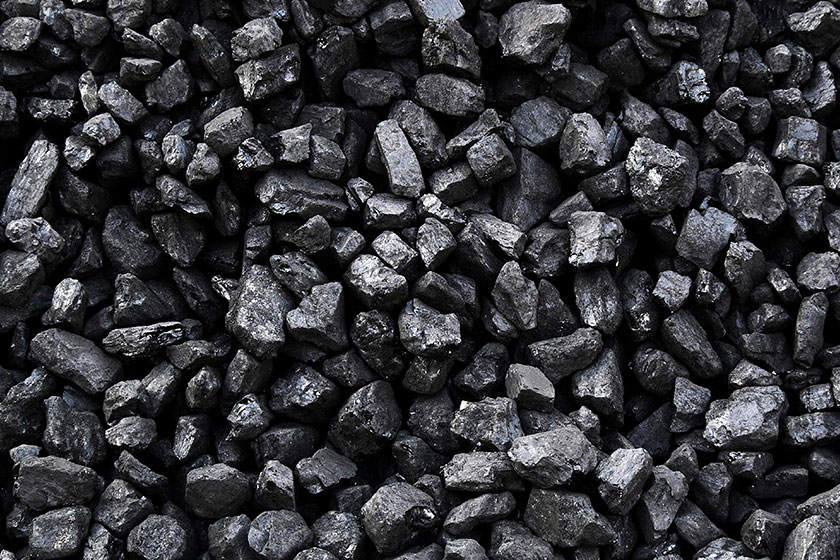
Anthracite coal. Photo credit: https://legacystoves.com/news/anthracite-coal-5-things-to-know/

In a nod to America’s fossil fuel heritage, Sen. Cynthia Lummis (R-WY), Chair of the Senate Western Caucus, introduced S. Res. 457 on October 20, designating the week of October 19 as “Coal Week.” The non-binding resolution celebrates the coal industry’s vital role in powering the nation, honoring workers who sustain economic stability in resource-dependent regions. Cosponsored by Sens. Dan Sullivan (R-AK), John Barrasso (R-WY), and others, it underscores coal’s contributions amid a Trump administration push for energy dominance.

The resolution highlights coal’s enduring footprint: In 2022, it supplied 19.5% of U.S. utility-scale electricity, per U.S. Energy Information Administration data, and over 36% globally. It stresses coal’s national security value, providing reliable, affordable energy for critical infrastructure and grid resilience during peak demands or disruptions—timely as AI-driven power needs surge.

“This week is a tribute to the hardworking men and women who keep our lights on and our economy strong,” Lummis said in a statement.

The move aligns with landmark 2025 legislation amplifying coal’s revival. The One Big Beautiful Bill Act (H.R. 1/P.L. 119-21), signed July 4, mandates leasing at least 4 million acres of federal lands—including in Alaska—for coal development, streamlining reviews and rescinding Biden-era barriers. Complementing this, President Trump’s April 16 Executive Order on Reinvigorating America’s Beautiful Clean Coal Industry lifted the federal coal leasing moratorium, directing agencies to prioritize mining and assess impacts on electricity costs.

For Alaska, where 12% of the total net electricity generation comes from coal, these measures promise transformative impacts. They could unlock billions in royalties, create hundreds of jobs in remote communities, and enhance energy security for the Railbelt, where coal supplements natural gas amid shortages. “This is a game-changer for Alaska’s economy and our push for all-of-the-above energy,” Sen. Sullivan noted.

As “Coal Week” unfolds, the resolution signals a broader fossil fuel resurgence, positioning Alaska at the heart of U.S. energy independence.

19 COMMENTS

  1. The Alaska Railroad coal terminal conveyer in Seward has been torn down and is in the process of being replaced with cruise ship dock.

  2. The only issue is that in the USA Power Plants are moving away from coal. There is no such thing as “clean” coal, anyone who has lived within 50 miles of a coal fired plant knows that. While it’s legacy is correct it’s future is limited.

    • LOL …
      The UAF just built a new $300 million coal-fired power plant that is built to last for 75 years. That’s until 2100. All of the radical climate activists at UAF rely on coal to keep warm and keep the lights on so they can study the ill-effects of coal.burning, only a few hundred feet from their office cubby holes. You can’t make this sh*t up. Only at UAF.

  3. It’s a coal power plant being worked on about 60 miles from ANC. Clean coal power, grid tied, CO2 sequestration in a manner to possibly increase field life of Beluga gas field. Could also bring in AI data farms, and food production with the amount of CO2 available. This project is immediately in the works. Congressional delegation is working on it, and Governor is as well.

    • CO2 sequestration wholly unnecessary. 100 MW and over a billion just for carbon capture. The project wouldn’t make the money if used for EOR… it is a flat land lie if the CO2 is not used for permanent sequestration- this IS the primary selling point of the grifting plant.

  4. UAF and climate scientists at UAF LOVE coal mining and coal combustion. New $250 million dollar power plant at UAF burns exclusively on Alaska coal, so that the entire campus, especially the climate scientist’s wing of UAF, can keep their offices and labs warm during the cold winter months. Further, Usibelli Coal Mines, where coal is mined and transported by rail to UAF, donates $millions in scholarship money to UAF where climate scientists can further their studies into man-made climate change, and particularly in studies of the deleterious effects of combusting coal to produce energy. This is the UAF, which proudly endorses coal as an energy resource for their flagship campus. 👏👏👏
    Simply, brilliant people espousing higher education students UAF.
    🤔
    🤣

    • Higher education at the University of Alaska-Fairbanks campus is a progressive oxymoron. The next generation of purple-haired, nose-ringed climate activists can’t even legibly sign their own name, let alone reason how plants grow better in Alaska when the weather is warmer. It doesn’t require much for a college education in today’s world.

  5. Usibelli Coal is several generations of industry and development for Alaska and the economy and trade. I hope it continues into the future.

  6. This is the quintessential example of how the climate action nuts advance their falacious agenda. It’s only about the money. The rhetoric about man-made global warming is brainwashed into the undergrads and graduate students little brains as a means to keep the federal money flowing into the university system. We’ll all wake-up 20 years from now and be faced with a new crises…….man-made global cooling and how to prevent the next ice-age. And this is the exact reason why Donald J. Trump prevailed in the 2024 election. Rationality and common sense is still within the majority of American minds, even though its difficult to see that, given the propoganda-infested news media we live with.

LEAVE A REPLY

Please enter your comment!
Please enter your name here

This site uses Akismet to reduce spam. Learn how your comment data is processed.