Sen. Mike Cronk of Tok has filed legislation addressing the impact of trawl and dredge fishing gear that makes substantial contact with the seafloor.
Senate Bill 161, “An Act relating to the use of certain trawl or dredge fishing gear in state water; and providing for an effective date,” also mandates a detailed study of its effects on marine ecosystems and fish habitats.
The bill amends Alaska Statute 16.10 by adding Section 16.10.135, which prohibits the use of bottom-contact trawl or dredge gear in state waters, as determined by the Department of Fish and Game. In Alaska, state waters extend three nautical miles offshore from the baseline of the coast, which is typically the low-water tide line along the shore.
This prohibition would take effect on Jan. 1, 2028, giving regulators and the fishing industry time to prepare. In the interim, the bill requires the Department of Fish and Game to conduct a comprehensive study on the health of seafloor ecosystems and fishery resources in state waters, with a report due to the Legislature by January, 2027.

The study would examine the impacts of bottom trawling and dredging on Alaska’s marine environments and fisheries. It will include data on bycatch, which are marine species unintentionally caught during fishing, over the past 10 years, broken down by species where possible. The report would also provide recommendations on whether such fishing gear should be permanently banned or restricted to ensure sustainable fish stocks and benefit Alaska’s residents.
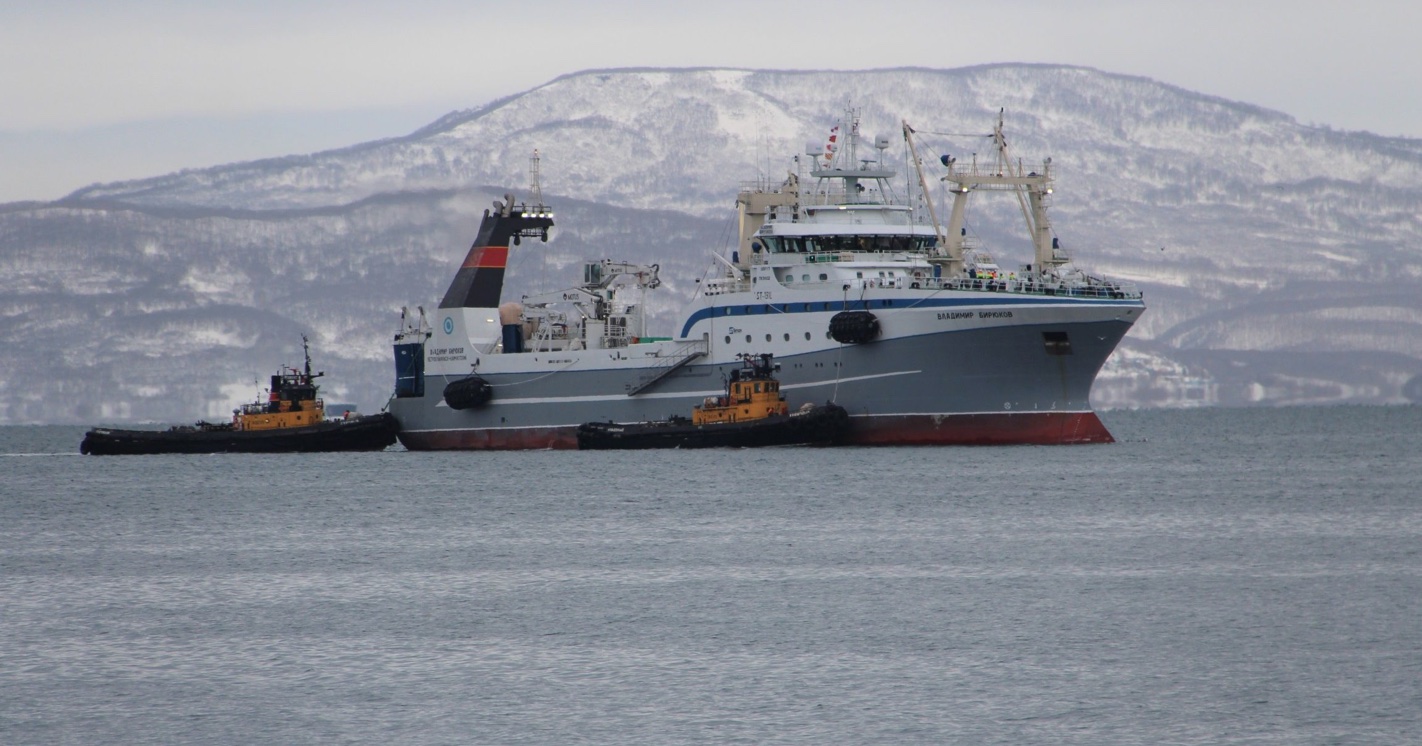
Bottom trawling involves dragging heavy nets across the seafloor to catch fish, a method known for its efficiency but also for its ability to disturb marine habitats and capture unintended species, including those that are in short supply. Those dragging for pollock catch other species, like halibut, salmon, and crab.
The legislation would take effect immediately, except for the gear prohibition, which would be deferred until 2028. The outcome of the proposed study could shape future fishing regulations in Alaska.