
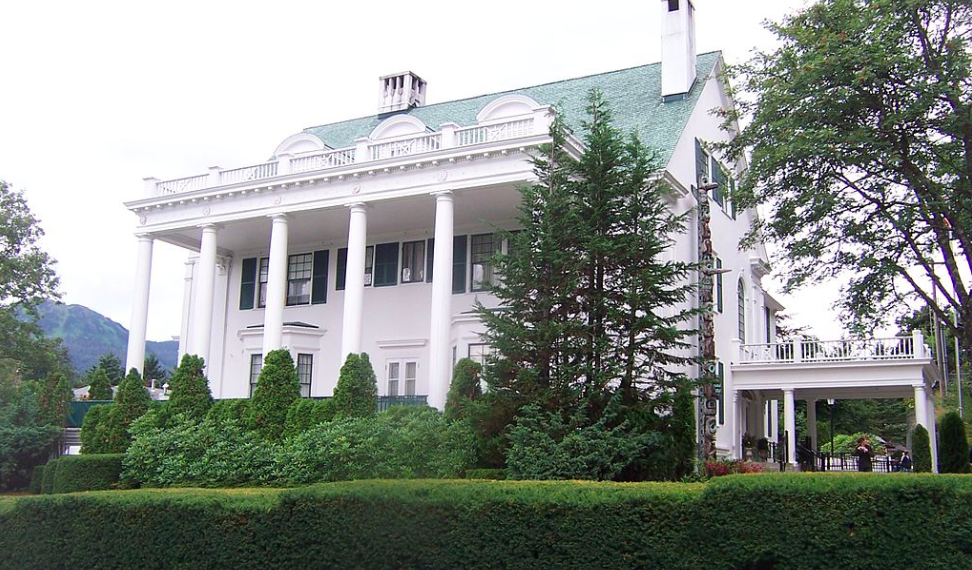
In an era when leftists vandalize historic statues, national monuments, and even Tesla cars, a recent House Bill by State Representative Will Stapp to rent out the Alaska Governor’s Mansion during periods of non-use has opened up a debate, particularly regarding the security risks such a measure could introduce.
House Bill 139 aims to generate revenue by allowing short-term rentals of the historic residence when the governor is not present and the Legislature is not in session.
The primary concern centers on the security of the governor and his family. The Governor’s Mansion is not merely a residence but a secured facility designed to protect the state’s highest executive and his or her loved ones and guests.
Introducing short-term tenants into this environment could compromise security. Even with thorough background checks, the transient nature of short-term rentals increases the risk of unauthorized individuals gaining intimate knowledge of the property’s layout and security measures, and poses a significant risk to the governor.
Multiple types of misuse could occur, including:
- Surveillance and intelligence gathering: Individuals with malicious intent could use a stay to gather sensitive information about the mansion’s security systems, potentially planning future breaches or attacks. A bug placed in the mansion might go undetected after the building is swept for bugs after the renter leaves.
- Unauthorized access, theft, vandalism: Renters might attempt to access restricted areas within the mansion, leading to potential theft or damage of state property. There are numerous works of art in the public areas of the mansion that have enormous value.
- Illicit substances, poisons, hallucinogens, or bedbugs: Persons with intent to harm could leave behind substances such as cocaine, methamphetamine, fentanyl, or even poisons like anthrax or cyanide. Someone could smear LSD on flatware or silverware. A bad actor could bring in cockroaches, fleas, ticks, or even rodents, and leave them behind.
The possibility of renters engaging in inappropriate behavior or conducting illegal activities could tarnish the reputation of a sitting governor and the state itself. A person might rent the mansion for a “wedding,” when in fact the person intends to film a porn video or use the occasion to deface or desecrate the property.
Beyond security concerns, the mansion holds historical significance, having served as the governor’s residence since its construction in 1912. Frequent turnover of occupants increases wear and tear, potentially compromising the preservation of this landmark. The state would have to budget for a complete sweep of the property, inside and out, to cover every possible mischief that someone could cook up.
While the intent behind Rep. Stapp’s bill is to monetize an underutilized asset, the bill may get amended by others as it goes through the committee process. It’s been assigned to House State Affairs and to the House Finance Committee.
Should it ever pass the House and Senate, it may draw a veto from the governor.


