
By NOLAN WILLIS
In my previous article, “Emissions Reduction or Self Flagellation,” I explained how the modern environmental movement, particularly the climate change hysteria, amounts to a religion where nature is god, and greenhouse gas emission are essentially sin that is begging for nature to punish humanity for its corrupt use of fossil fuels. I also explained how most efforts to curb or reduce emissions, particularly the popular or politically correct efforts, essentially amount to making very little progress while inflicting great pain and suffering. As a sequel to this line of thinking, I wish to bring something else to light, and it is how we define the concept of sustainability.
Sustainability, by definition, is a state that can be continued indefinitely. If a situation cannot be continued indefinitely, it is, by definition, unsustainable. When people normally talk about sustainable environmental practices, they generally mean to suggest that the alternatives that they are proposing can be continued into the foreseeable future. When they say that a particular practice is unsustainable, they are suggesting that if a particular practice is continued, bad things will eventually ensue that prevent that practice from continuing or otherwise coerce people into changing their ways.
Case and point: about two decades ago, most people believed that fossil fuels were going to run out within a few decades, and the concern over sustainability largely centered around finding alternative energy resources that could be used indefinitely. Climate change was a concern then, but now that we have access to a lot more fossil fuels than we thought we had, the concern has mostly shifted toward exhausting the world’s carbon budget—an arbitrary figure that has been selected to theoretically limit global warming to around 1.5 deg C above pre-industrial levels. The idea is that fossil fuels should not be widely used beyond that point, thus rendering the practice of using them to be unsustainable.
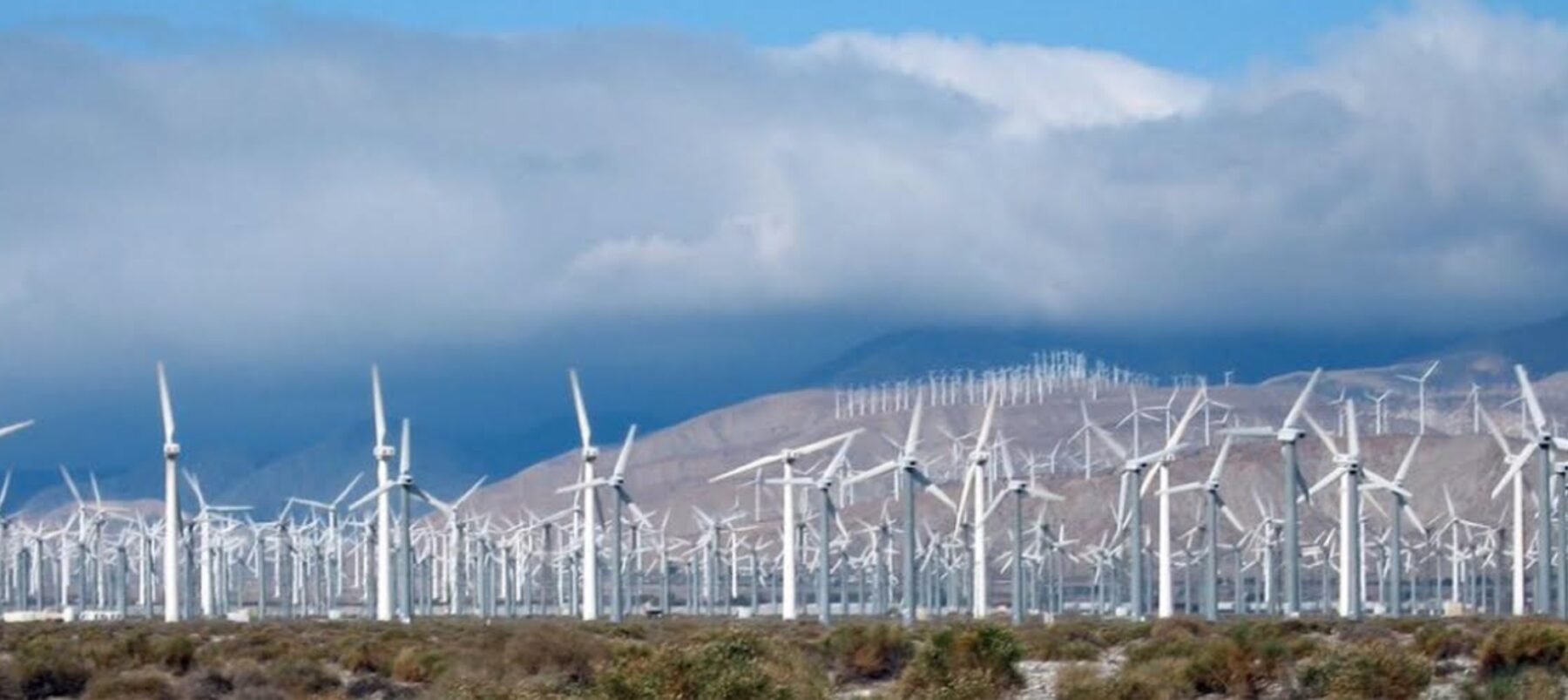
The problem is that the “sustainable” practices that are being proposed to mitigate climate change are not what they seem. To replace the energy production of fossil fuels with renewable energy resources will require extensive mining; build-out of infrastructure; right-of-way procurement; bulldozing of the environment for solar and wind farms; and manufacturing of solar panels, batteries, and wind turbines that has its own large environmental footprint.
Then, after about two and a half decades of service, everything will need to be replaced; thus, there will be a constant replacing of aging renewable energy infrastructure and the associated disposal or recycling efforts. If recycling is the chosen path forward, that will require even more energy than the initial manufacturing of renewable energy systems, and that energy will need to come from somewhere, to say nothing of the associated chemicals and various byproducts that have their own problems.
Realistically, if we choose a renewable-only future, energy usage will need to decrease by a lot, and most people who are serious about going all-in for renewables will agree with this statement. Indeed, I have heard highly educated people (college professors) argue that energy should be scarce and expensive to discourage people from using too much of it. This is their ideology talking, and in a sick, twisted way, it reminds me of the mindset of rigid Christian fundamentalists who insist that life must be tough and miserable with lots of rules, lest people sin. These are the types of parents who bred rebellious, apostate teenagers. I know because I saw this first-hand.
Now, let’s do a thought experiment. Suppose that we can successfully convince an entire generation to mostly give up fossil fuels and commit to an energy-scarce lifestyle for the sake of preventing harm to the planet. How long will that last? When that generation has children who see that people are dying of preventable diseases because medical interventions are scarce, that clean water is a luxury, that they are at the mercy of the weather because they cannot keep their homes climate-controlled, and that they have highly restricted access to technology that their parents once took for granted, how long will that next generation tolerate the bondage that has been forced onto them without their consent?
Bear in mind that they will know, full well, where to get oil, gas, coal, and anything else that has been restricted or banned. How long do you think that the next generation will tolerate this burden before they say, “SCREW IT!” and become climate apostates? If my observation of teenagers who rebelled against their overly religious parents is any clue, we can expect the ban on fossil fuels to last less than three decades, and that is not sustainable.
As we can see, the renewables-only option is unsustainable 1) because the environmental footprint of wind turbines, solar panels, and batteries is too high to sustain long-term and 2) because human nature will not permit that sort of restrictive energy-poor lifestyle to continue indefinitely. If we consider how much difficulty we are having in convincing people to give up their modern conveniences today, what makes us think that we can sustain this sort of puritanical lifestyle for generations—the scale of time that most climatologists believe to be necessary to let the atmosphere return to preindustrial levels?
The bottom line is that we need to stop fooling ourselves. Burning fossil fuels may not be sustainable in the strict sense of the word’s definition, but the practice can be sustained far longer than the practice of relying on renewables alone. In fact, this is exactly what people who are concerned about climate change worry about most—the idea that people are going to continue burning fossil fuels for the next three or four generations until we run out and the climate supposedly turns into a hell-house earth scenario. How the climate ends up in the end is subject to speculation, but we can be certain that as long as fossil fuels exist on the same planet as humans, humans will be inclined toward using them because they are convenient, useful, and (most importantly) cheap.
What is the solution then? If we want humans to stop using fossil fuels, we need solutions that are truly better—energy resources that are more energy dense than fossil fuels and that produce far less pollution when utilized. Renewable resources, in the classic sense, do not come anywhere near meeting those requirements, and they probably never well.
We do have one energy resource that does, however, and it’s the one energy resource that gives many people great hope while frightening many others. If all the Uranium on planet earth were converted to energy via advanced fission, there would be enough energy to power about ten billion people at Western levels of energy consumption for seven to ten billion years. Fusion is a probably a couple of decades out (and probably always will be, as the joke goes), but if it ever does become reality, that will be another energy resource that will outlast humanity at any conceivable rate of energy usage.
If we are concerned about greenhouse gases, we need to focus on advance nuclear power and make a long-term commitment toward that end instead of trying to do something that is going to backfire.
Nolan Willis is a lifelong Alaskan, a Bristol Bay Commercial Fisherman, a licensed Professional Electrical Engineer, and the current Chair of the Institute of Electrical and Electronics Engineers Alaska Section. His work experience spans the worlds of utilities, energy, communications, and naval nuclear propulsion.


