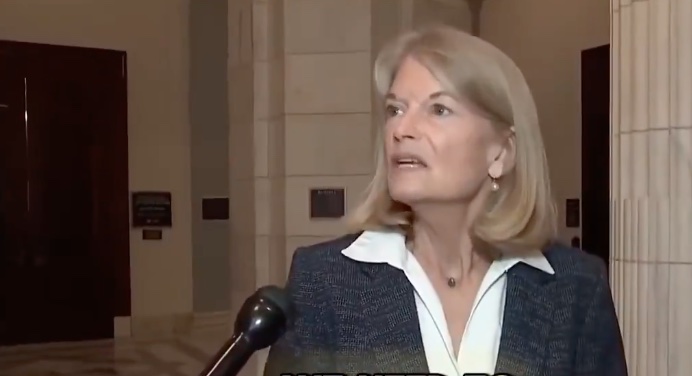
Sen. Lisa Murkowski was one of four Republicans who were hard no’s on the appointment of Rep. Matt Gaetz as Attorney General. She didn’t need an FBI report on him; she just said he was not a “serious candidate.”
But in a walk-and-talk interview with a reporter, she has now indicated that she won’t vote to confirm any of Trump’s nominations unless they all get a thorough background check by the FBI.
You know, the same FBI that raided the late Sen. Ted Stevens home in Girdwood in 2007 on a witch-hunt that later proved to be a case of government weaponized against a political figure; the same FBI that kicked down the door of a couple in Homer, Alaska in 2021, looking in vain for then-Speaker Nancy Pelosi’s laptop computer.
The background check is not an absolute requirement, but Murkowski’s words indicate she believes it to be necessary to dig into every aspect of their personal lives. That’s what they open themselves up to, she said.

President Donald Trump has already indicated that not all his appointees need to go through a FBI background check. On Truth Social on Nov. 10, he wrote, “Any Republican Senator seeking the coveted LEADERSHIP position in the United States Senate must agree to Recess Appointments (in the Senate!), without which we will not be able to get people confirmed in a timely manner.”
The constitutionally permitted recess appointment process is when a president appoints people temporarily to positions when the Senate is in recess. The appointments then are in effect until the end of the following legislative session.
Sen. John Thune will be serving as Senate majority leader. Rep. Michael Johnson is House Speaker. They would have to both agree to a late January recess.
Trump understands the challenges he faces, having been there before. Only 25 nominees have ever been sent to the Senate and failed confirmation, either by withdrawing their names or being rejected. Three of the 25 were in the first Trump term — 12% of the total.
The Trump transition team has not yet signed documents with the existing administration that would authorize the Justice Department to screen his choices that require the Senate’s consent.
In other news relating to Murkowski leading “the resistance” to the Trump presidency, she and Sen. Susan Collins of Maine this week voted for Biden’s judicial nominees that the Democrats are ramming through before Jan. 20. They were the only Republicans to do so, helping to seat judges that will support Biden’s and the Democrats’ agenda for lifetime appointments.
In September of 2020, Murkowski was on record opposing the confirmation of any Trump appointee to the Supreme Court that close to the November elections (which she hoped he would lose).
“For weeks, I have stated that I would not support taking up a potential Supreme Court vacancy this close to the election. Sadly, what was then a hypothetical is now our reality, but my position has not changed,” Murkowski said in a statement.
Weeks later, she changed her mind and voted to confirm Supreme Court Justice Amy Coney Barrett.