Editor’s Note: This is not an April Fools’ Day joke.
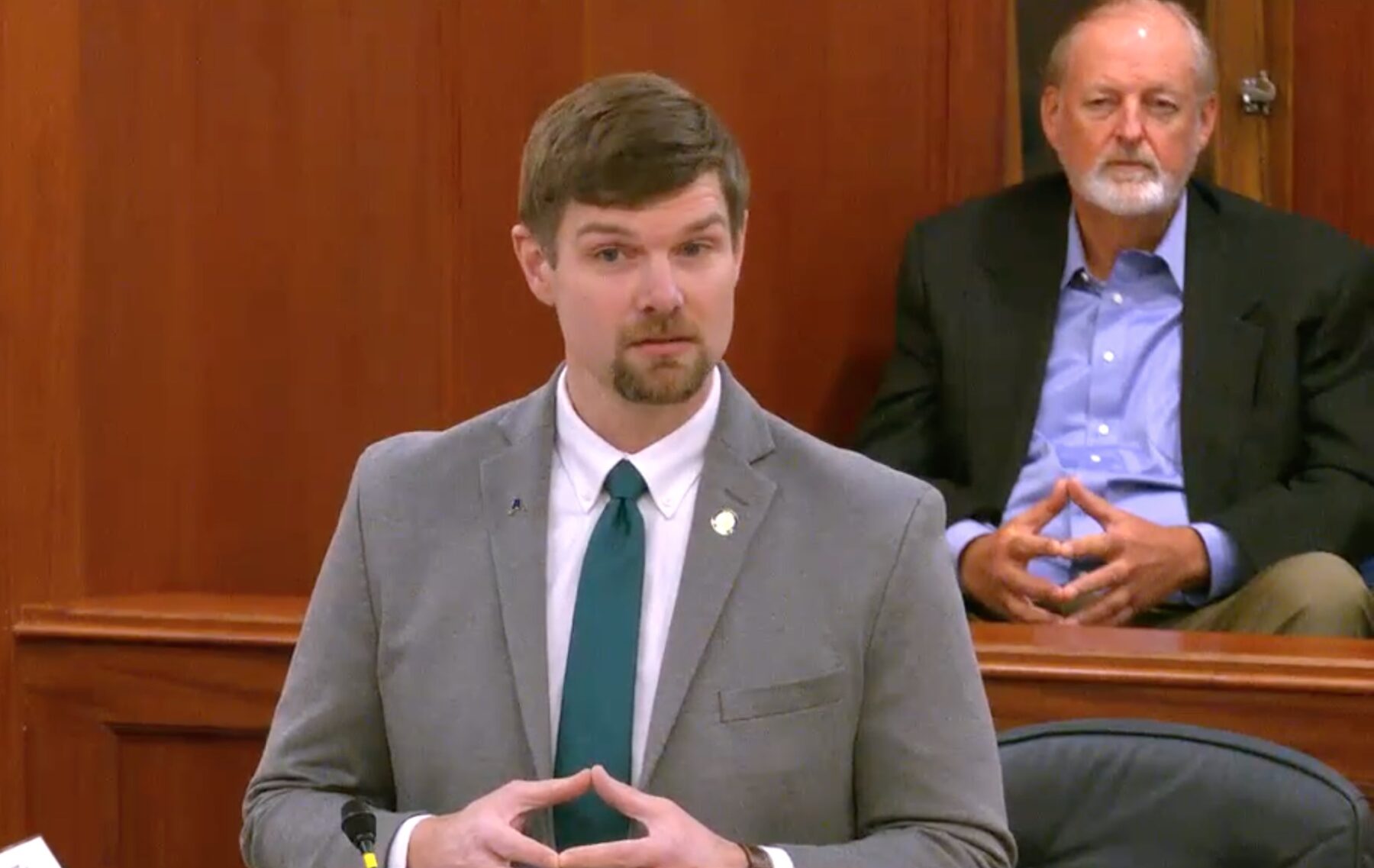
Not to nitpick a lawmaker’s judgment, but Sen. Jesse Bjorkman of Nikiski has introduced a bill that mandates school districts crack down on head lice. He’s trying to get more nurses back in the schools, so a head-lice mandate from on high might just do the trick.
The proposed requirements of Senate Bill 151 come at a time when Alaska schools are grappling with serious challenges in teaching students fundamental reading, writing, and arithmetic skills.
According to the Alaska System of Academic Readiness (AK STAR) assessment from spring 2022, 70% of students in grades 3 through 9 were not proficient in English Language Arts, including reading and writing.
But that’s not what’s bugging Bjorkman.
The Bjorkman Bug Bill says school districts must provide information to the state on lice prevention, perform head lice checks on 95% of students, and require students found with live lice to be sent home until cleared by a certified school nurse or healthcare provider. Districts that comply with the measures are eligible for partial reimbursement of their nursing costs, but that is subject to budget availability.

There’s no discussion in the bill about the correspondence students who are not on campus but who are counted as part of the student headcount by districts. Will nurses be dispatched to homes to ensure the kids learning at the kitchen table aren’t infested?
The Bug Bill adds to administrative costs, as do other bills from Democrats that force schools to focus on matters other than basics.
Sen. Elvi Gray-Jackson has a bill mandating schools teach CPR, a bill requiring schools to teach Pacific Islander history, and yet another bill requiring mental health education from kindergarten on up. Now, there’s lice to worry about.
Bjorkman, who was a teacher before being recruited by the NEA to run for office, has shown little interest in improving the academic performance of students, but has been on the leading edge of increasing pay for teachers. The union, rather than his district on the Kenai Peninsula, is his constituency.
Under SB 151, districts must submit detailed reports on lice policies, provide proof of inspections, and document the number of students affected. Additionally, reimbursement for hiring school nurses is only partially covered by the state and subject to available funding.
Many rural districts, already struggling with budget shortfalls and teacher shortages, may find it difficult to comply with these mandates without cutting other essential services, since they don’t necessarily have school nurses on campus every day. Some schools in Alaska only have a handful of students and just one teacher. Pelican, for example, struggles to keep the 10 student headcount needed to retain state funding. Diomede, Tuluksak, and Kipnuk are others that barely can retain the headcount of 10. Bjorkman would have school nurses in those schools, which struggle just to keep teachers.
Head lice, while unsavory and annoying, do not carry disease and do not have any specific health impacts, other than creating intense itching that can result in festering sores. A chemical lotion with permethrin (found in products like Nix), is often used to get rid of them. In the latest data found, it appears that in 2017-2018, about 421 students in the Anchorage School District had been diagnosed with live lice by school nurses, or less than one out of every 100 students; most of the cases were in just one school where the head lice outnumbered the students.
Homeschooled and correspondence students likely have a lower rate of head lice, but there’s no known study of the difference between government school and homeschool students as it pertains to the parasite.
(No, we are not going to make a joke here about parasites. We’re leaving that to our commenters.)