
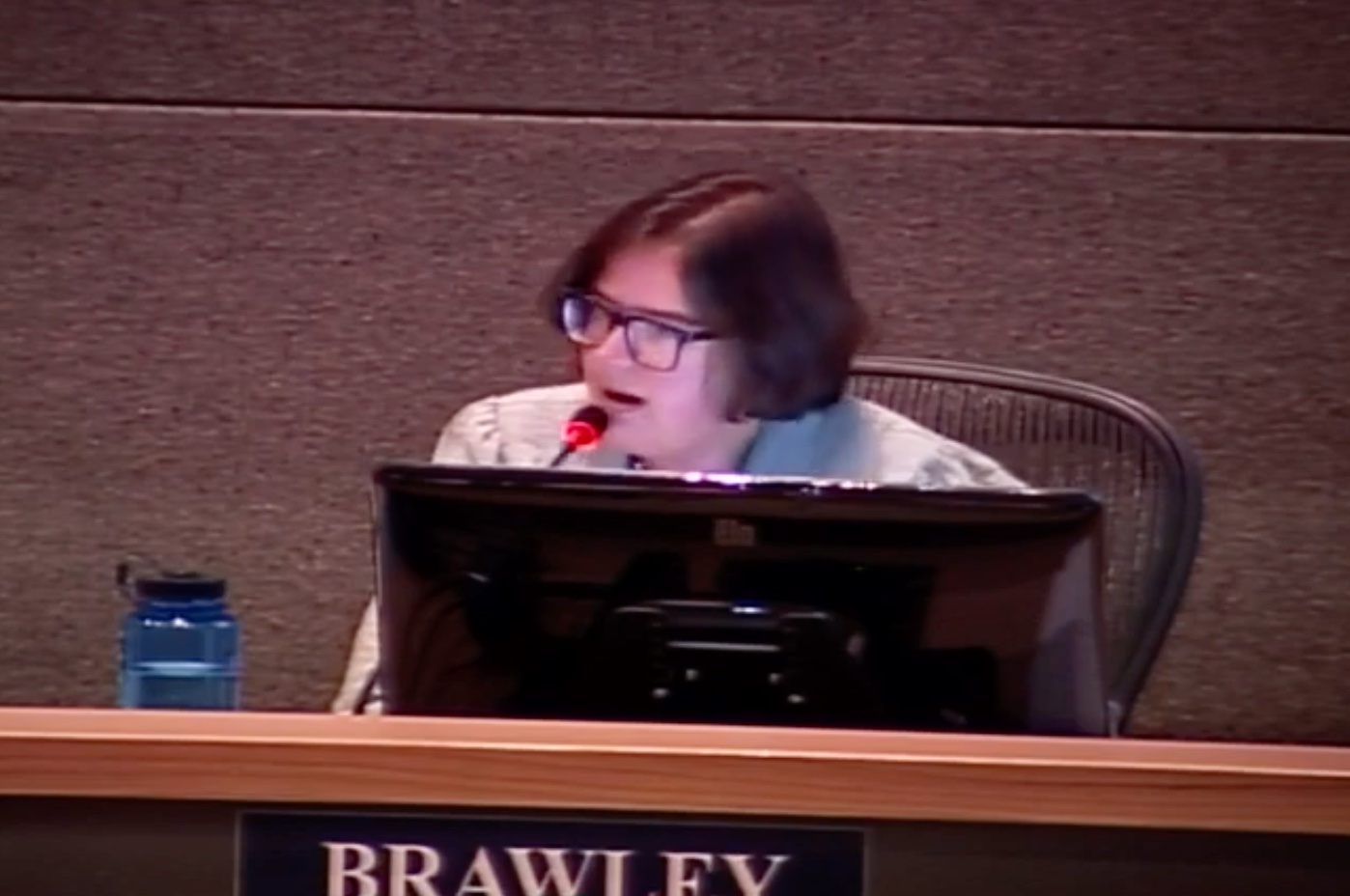
Alaska Rep. Andrew Gray of East Anchorage has hired Anchorage Assembly member Anna Brawley to join his staff, a decision sure to prompt debate over ethical boundaries, public accountability, and potential conflicts of interest between state and municipal governance.
Brawley, who represents District 3 Seat E on the Anchorage Assembly, will now simultaneously serve as a legislative aide to Gray, who represents House District 20 in the Alaska State Legislature — a district that includes much of the UMED area of Anchorage. The dual appointment creates an unusual convergence of municipal and state responsibilities, and with that, a host of ethical questions.
Brawley makes $50,000 or more off the Anchorage taxpayers and the average salary for legislative staff is $82,000.
As a sitting Assembly member since April 2023, Brawley helps shape Anchorage’s municipal budget, votes on city laws, and oversees policies related to housing, public safety, and economic development. In her new role as a staffer to Rep. Gray, she will advise on statewide policy. That includes legislation that could directly impact Anchorage, the very city she helps rule.
This overlap creates an environment ripe for conflicts of interest. For instance, Gray has championed housing and homelessness initiatives like Senate Bill 119, and proposals to incentivize housing for indigents. These same issues fall squarely within Brawley’s purview on the Assembly, where she votes on matters that affect zoning, funding for shelters, homelessness services, and municipal housing strategy.
If she is simultaneously advising on state policy and voting on city policy, often within the same issue areas, it raises the question: Which hat is she wearing when decisions are made? The one that pays the highest salary?
Even in the absence of a direct conflict, public perception matters. The arrangement may undermine public confidence, especially in light of previous scrutiny Brawley faced over her employment with Agnew::Beck Consulting. The firm received a $194,000 municipal contract in 2023, prompting concerns over her impartiality as an Assembly member, despite her promise to recuse herself from related votes.
Brawley has previously spoken about the importance of avoiding conflicts. During her 2023 campaign, she criticized her opponent, Brian Flynn, because his wife worked in the mayor’s administration.
Both Anchorage’s municipal ethics code and Alaska’s state ethics statutes place emphasis on avoiding situations where personal or financial interests might interfere with official duties. The Alaska Legislative Ethics Act (AS 24.60) specifically requires legislative staff to avoid conflicts of interest. The Anchorage Assembly mandates disclosure and recusal for members with potential conflicts.
In practice, however, enforcing ethical compliance in cases of overlapping roles is complicated. For example, if Rep. Gray sponsors legislation affecting municipal housing funding and Brawley contributes to that legislation while also voting on the city budget that would receive the funds, even full disclosure may not prevent the public from being alarmed.
Former Assembly member Amy Demboski frequently disclosed conflicts stemming from her husband’s employment with the fire department. Brawley’s situation may result in similar burdens, requiring frequent recusals that dilute her legislative and municipal contributions, in the same way that Rep. Meg Zaletel declared recusals due to her role as the head of the Anchorage homeless industrial complex.
Another concern centers around influence and access. As a legislative staffer, Brawley now has advance access to state-level strategy discussions, budget forecasts, and constituent casework, all privileged information that other Assembly members do not have. That access to privileged material could advantage her in city policymaking.
The concentration of political influence, especially in overlapping policy areas like homelessness and public safety, raises red flags, since Brawley can now shape Gray’s legislative agenda to reflect her own municipal priorities, thereby consolidating decision-making power.
Practical considerations add further weight to the controversy. The Assembly position, while technically part-time, demands considerable attention through multiple weekly meetings, budget sessions, and community engagement. Legislative staff roles, especially during the January-to-May session, are similarly intensive. How Brawley intends to balance both jobs, each paid with public funds, remains an open question, particularly since both may be considered full time.
Combined, the arrangement invites questions about the appropriateness of drawing two taxpayer-funded salaries for overlapping government roles.
This is not the first time the Anchorage Assembly has found itself in murky ethical territory. Member Zaletel has repeatedly recused herself from votes involving the nonprofit she runs, the Anchorage Coalition to End Homelessness, which receives substantial city funding. That precedent indicates a pattern where elected officials serve while managing overlapping organizational interests—an issue that remains largely unresolved.


