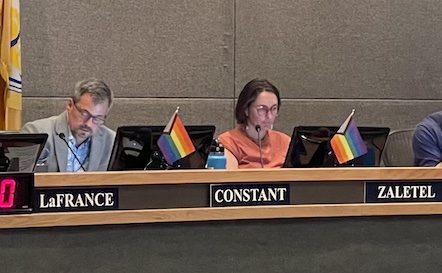
The Anchorage Assembly passed legislation on Tuesday that creates more regulation for Anchorage homeowners, by way of requiring them to register and be monitored by the municipality if they want to have a short-term rental.
On Wednesday, Mayor Dave Bronson vetoed the ordinance, AO 2023-110.
In the veto explanation, Bronson said, “the Anchorage Assembly should not be meddling in an individual property owners’ ability to make a living for themselves and their families. Private property owners deserve to continue to be able to provide valuable housing offerings within the municipality on AirBnB, VRBO, and other outlets.”
The mayor’s full veto message can be read here. It is all but certain the Assembly will override his veto.
Many communities around the country are moving toward greater regulation of short-term rentals, further encroaching on private property rights. In the Alaska Legislature, Rep. Andrew Gray is trying to get his bill passed that would limit Alaskans to being able to own only one short-term rental. Libertarians, such as the Cato Institute, warn that Americans’ basic freedoms are being eroded by these new laws and regulations.

“A goal of this ordinance is to safeguard the renter, the property and neighborhood value,” said ordinance co-sponsor Assembly Member Randy Sulte. “Currently, neighbors of short-term rentals have little recourse for dealing with problem properties. This ordinance puts into place a system to enforce existing public safety requirements and require short-term rental owners respond to problems in a timely manner.”
Ordinance co-sponsor and Assembly Vice Chairwoman Meg Zaletel added, “our community is in the midst of a housing crisis and we simply don’t have the data to understand how short-term rentals are effecting our housing market. This program will give us data that is currently held tightly by the rental platforms to make informed decisions in the future.”
The new licensing program applies to property owners who rent out units for less than 30-day increments; the license fee — $200 to $400 — is waived for deployed military, operators who rent for less than 15 rental days per year, owners who live on site or a neighboring property as their primary residence, and short-term rentals that also rent long term for more than 180 days per year.
The ordinance requires a minimum of $500,000 insurance, waived if the renting entity already has it covered through the rental platform (VRBO or Airbnb, for example).
The ordinance requires a manager to be on call 24 hours a day, seven days a week, or an alternate person who can respond to the renters’ call. The owner and guests must, the ordinance spells out, abide by all municipal codes, as they would in any case without this new ordinance.