WILL DONLIN BE THE NEXT PEBBLE?
The Tuluksak Native Community Village Council voted 5-0 to oppose the development of the Donlin Gold Mine. Tuluksak says it opposes the mine due to the “extreme ruin, destruction and danger it should pose to the Yuuyaraq health and welfare in the Indigenous Tribes and the people of the Yukon-Kuskokwim Delta Region.”
The council voted on July 5, becoming the second Native tribe in the region to oppose the Donlin mine. The Orutsaramiut Native Council had protested, for nearly identical reasons.
On July 7, some Calista Regional Native Corporation shareholders spoke their concerns about the mine’s impact on subsistence at the corporation’s annual meeting. To support them, the Yukon-Kuskokwim River Alliance has emerged as a rallying cry against the proposed mine, putting Calista and Kuskokwim Corporation in awkward positions, since they own the subsurface mineral rights, but have leased those to the project. The alliance says it is planning more protests and organizational activities in the region.

The environmental impact statement for the proposed mine has been completed and a record of decision on the permit is due in August. The opposition to the mine has come after the public comment period closed.
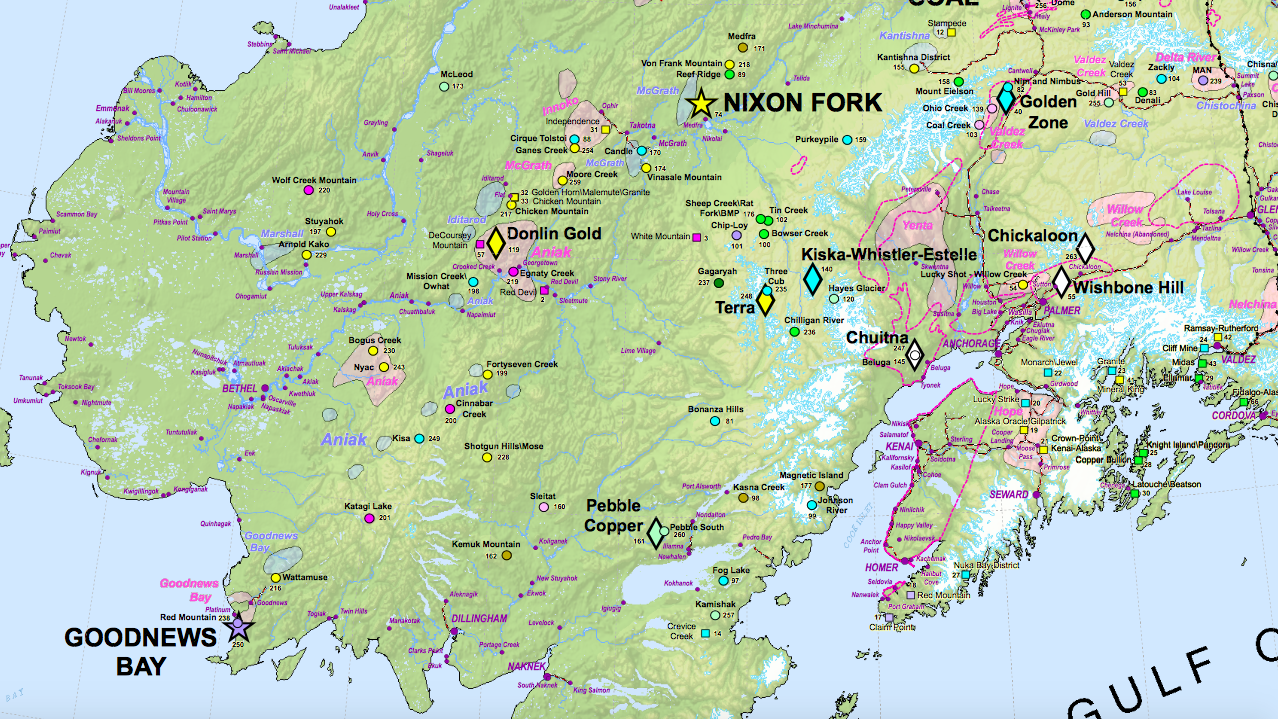
Donlin Mine is in area to the north and west of another proposed mine — Pebble. That project, whose name is a household word in Alaska, has been mired in controversy, lawsuits, and even federal embargoes for years. Gov. Bill Walker has come out in opposition to Pebble since he became governor, although in 2013 he was in favor of the permitting process. He has not stated where he stands on Donlin.
Donlin sits on one of the biggest undeveloped gold deposits in the world. Owned by Novagold Resources and Barrick Gold USA, the joint venture with Calista is 12 miles from the Kuskokwim River and is capable of producing 1.5 million ounces of gold during the first five years of operation, leveling off to 1.1 million ounces during the rest of the mine’s life, which is expected to be 27 years.
The project could bring 3,000 construction jobs and up to 1,400 operational jobs to the region.